
Huacaya: The Alpaca with Fluffy Fibre
Physical Characteristics
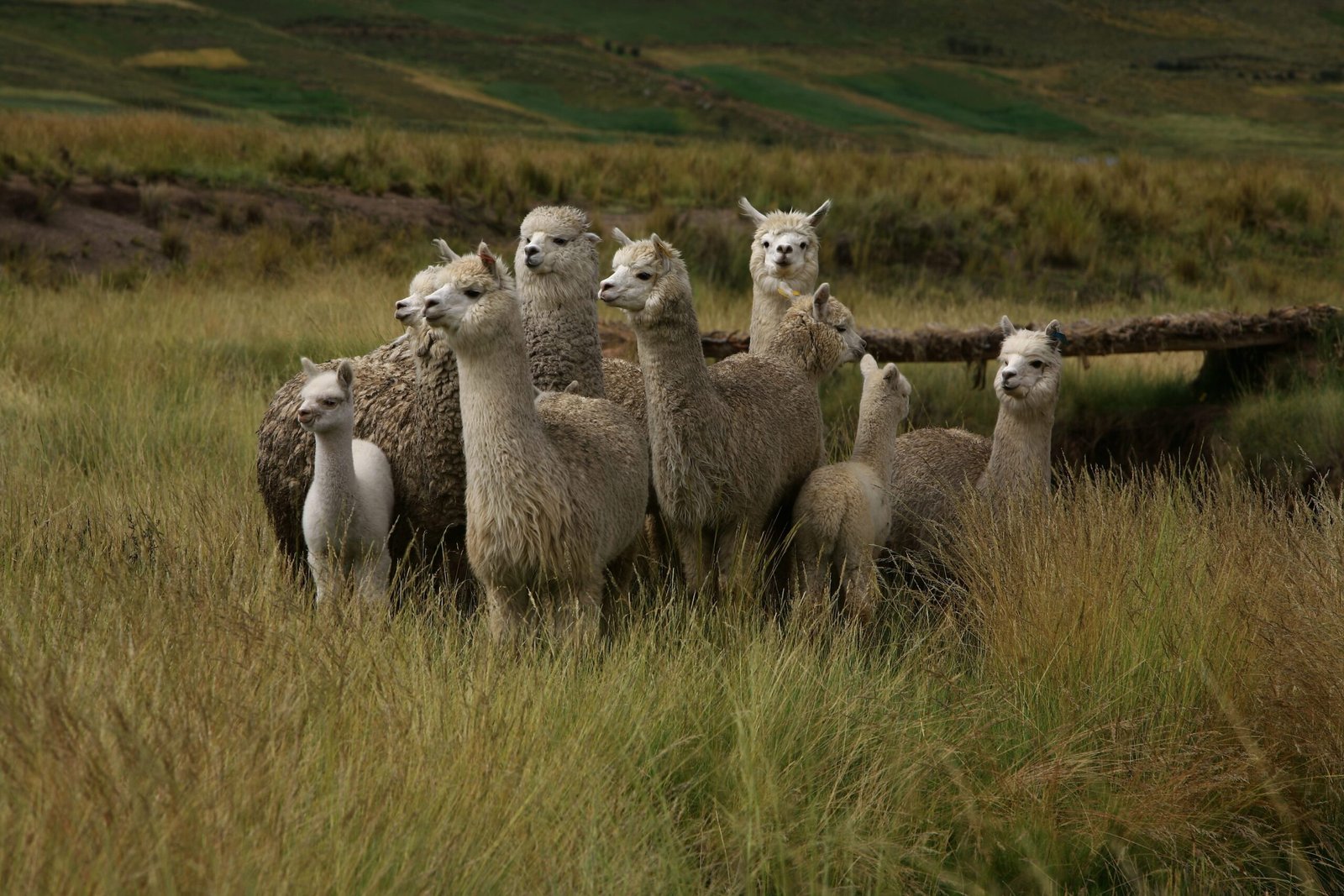
- The Huacaya breed is the most common and accounts for approximately 85% of the alpaca population.
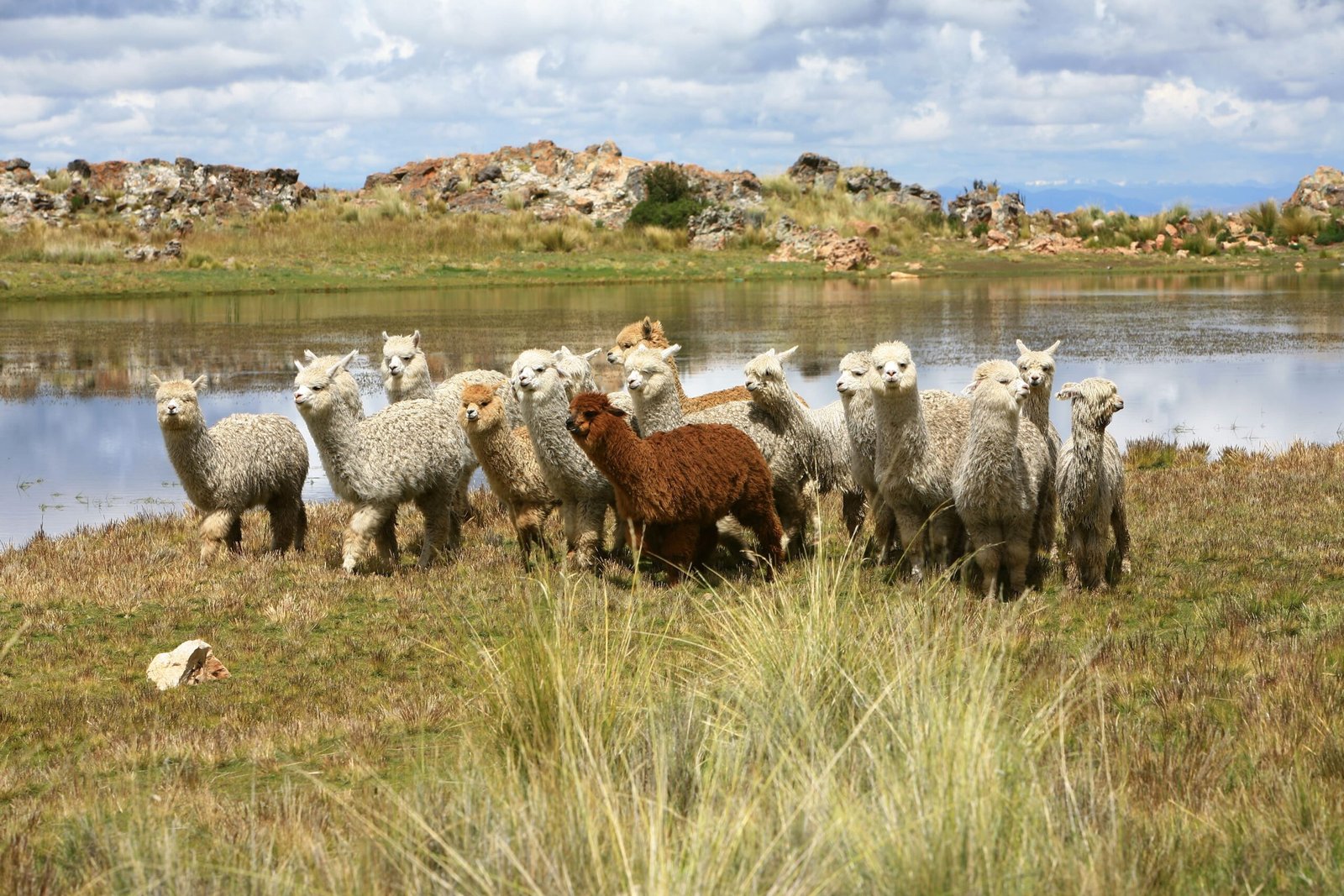
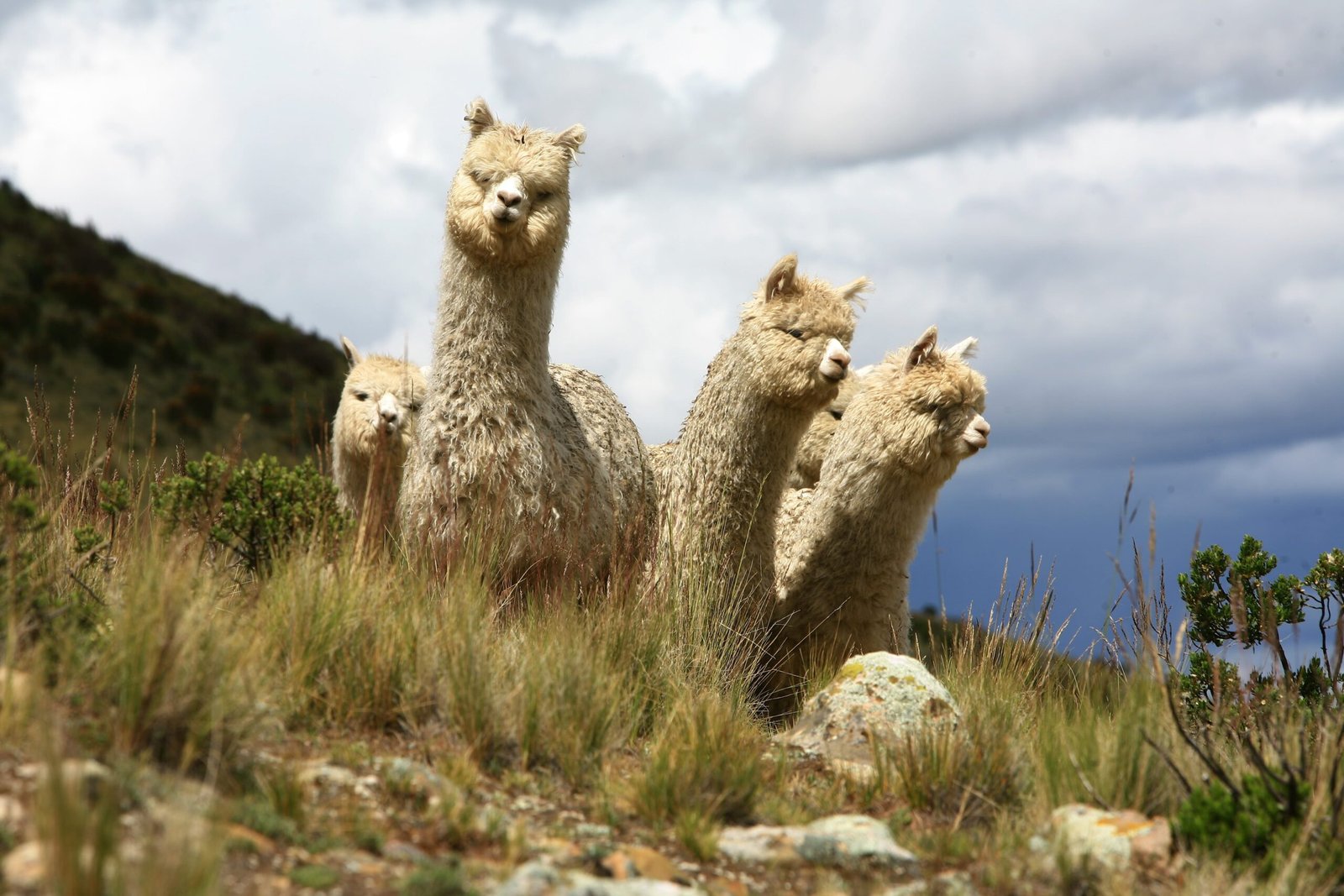
- These alpacas have fluffy, curly fibre that gives them a plush appearance. The fibre grows perpendicular to the body, creating a voluminous and dense look.
- Their build is compact, with a robust body and a fleece that provides excellent thermal insulation.
Fibre
- The fibre of Huacaya alpacas is soft, with a fluffy and curly texture. This is due to the small crimp present in each fibre.
- This fibre is prized for its fineness, softness, and thermal properties, making it ideal for producing warm and comfortable garments.
- It comes in a wide range of colours, from white and brown to grey and black, offering versatility in textile production.
Use
- Huacaya fibre is widely used in the textile industry to produce sweaters, coats, blankets, scarves, and other clothing and home items.
- Due to its softness and heat retention capabilities, it is particularly valued in cold climates.
- The fibre of Huacaya alpacas is soft, with a fluffy and curly texture. This is due to the small crimp present in each fibre.
- This fibre is prized for its fineness, softness, and thermal properties, making it ideal for producing warm and comfortable garments.
- It comes in a wide range of colours, from white and brown to grey and black, offering versatility in textile production.
Use
- Huacaya fibre is widely used in the textile industry to produce sweaters, coats, blankets, scarves, and other clothing and home items.
- Due to its softness and heat retention capabilities, it is particularly valued in cold climates.

Suri: The Alpaca with Silky Fibre
Physical Characteristics
- The Suri breed is less common, accounting for approximately 15% of the alpaca population.
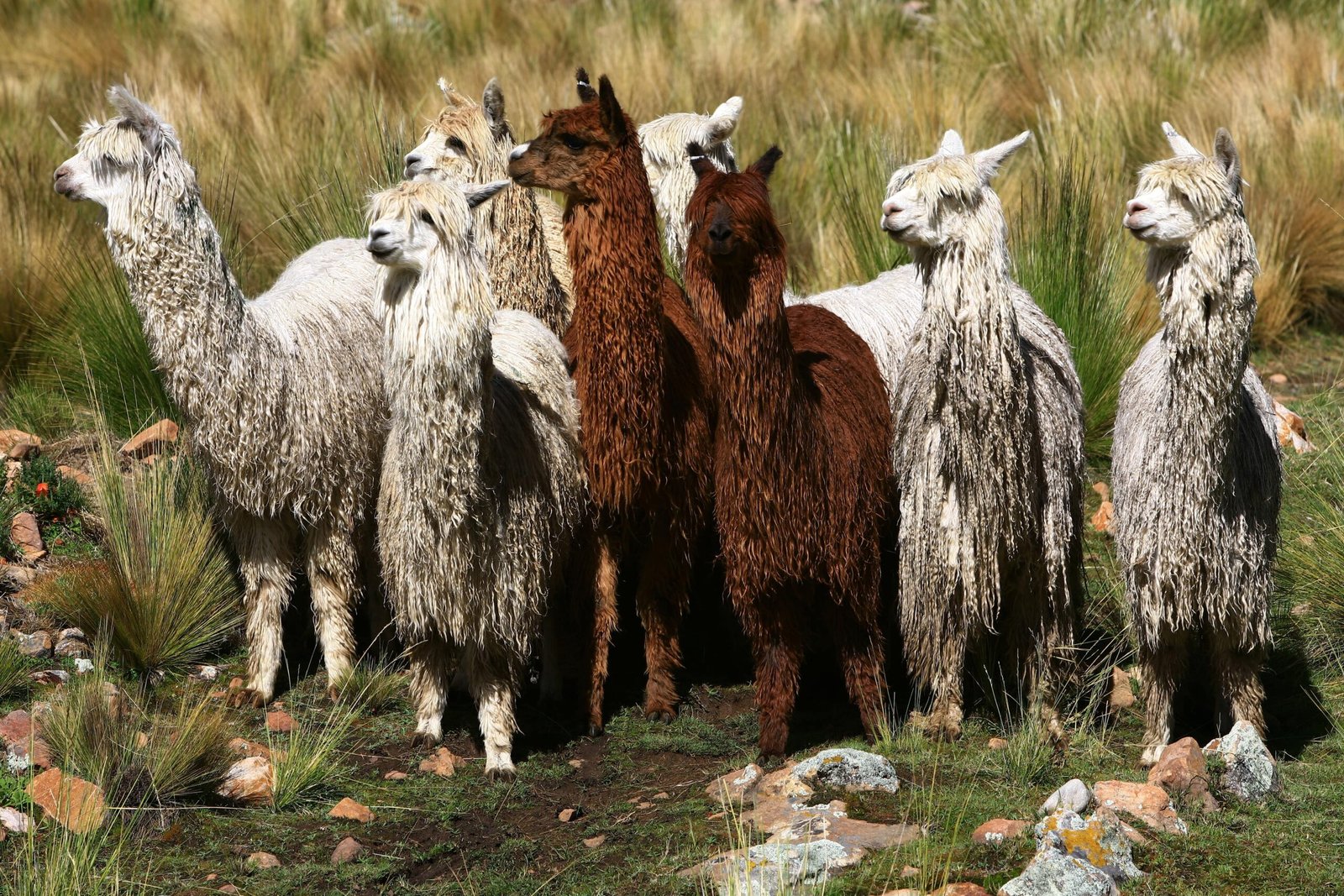
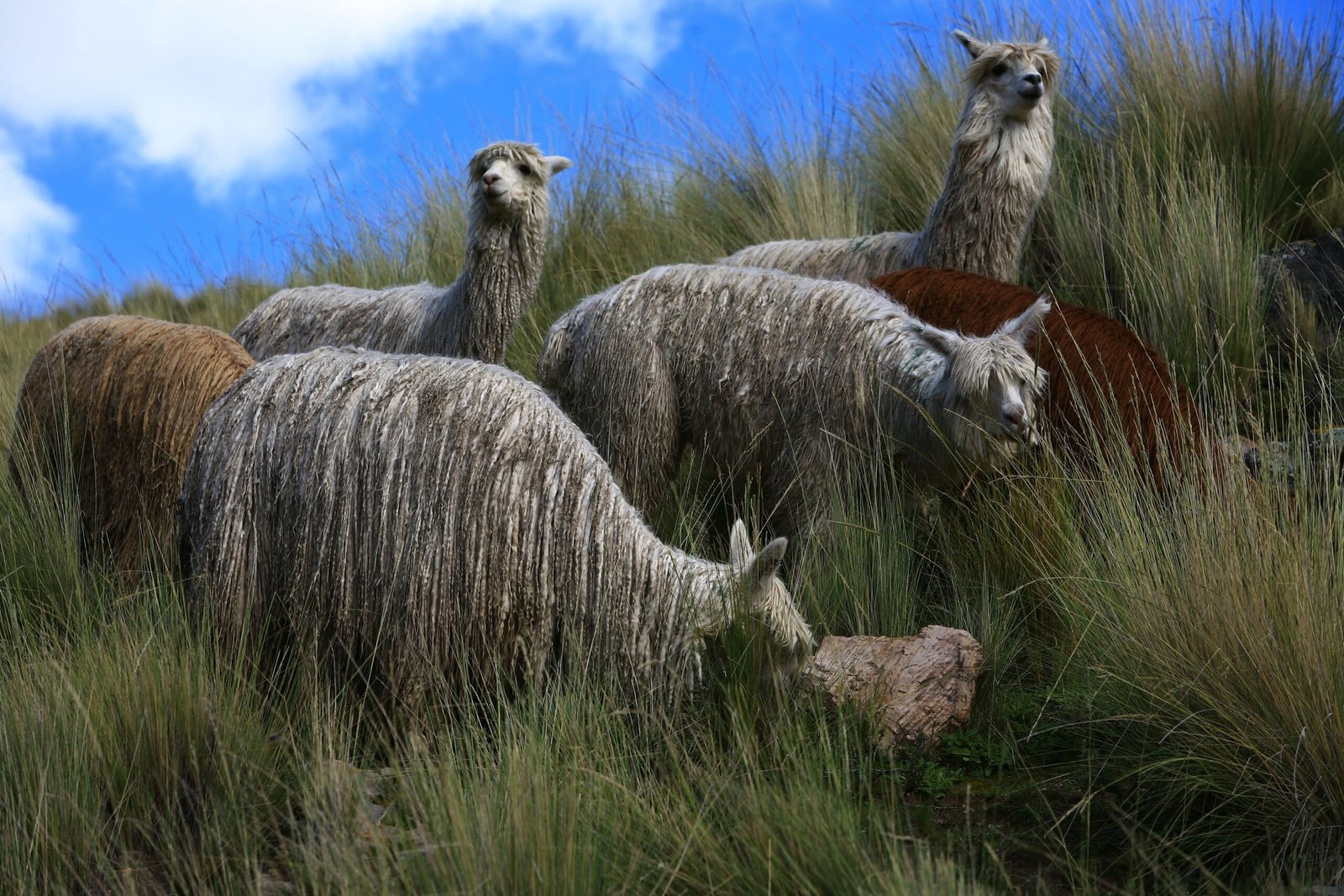
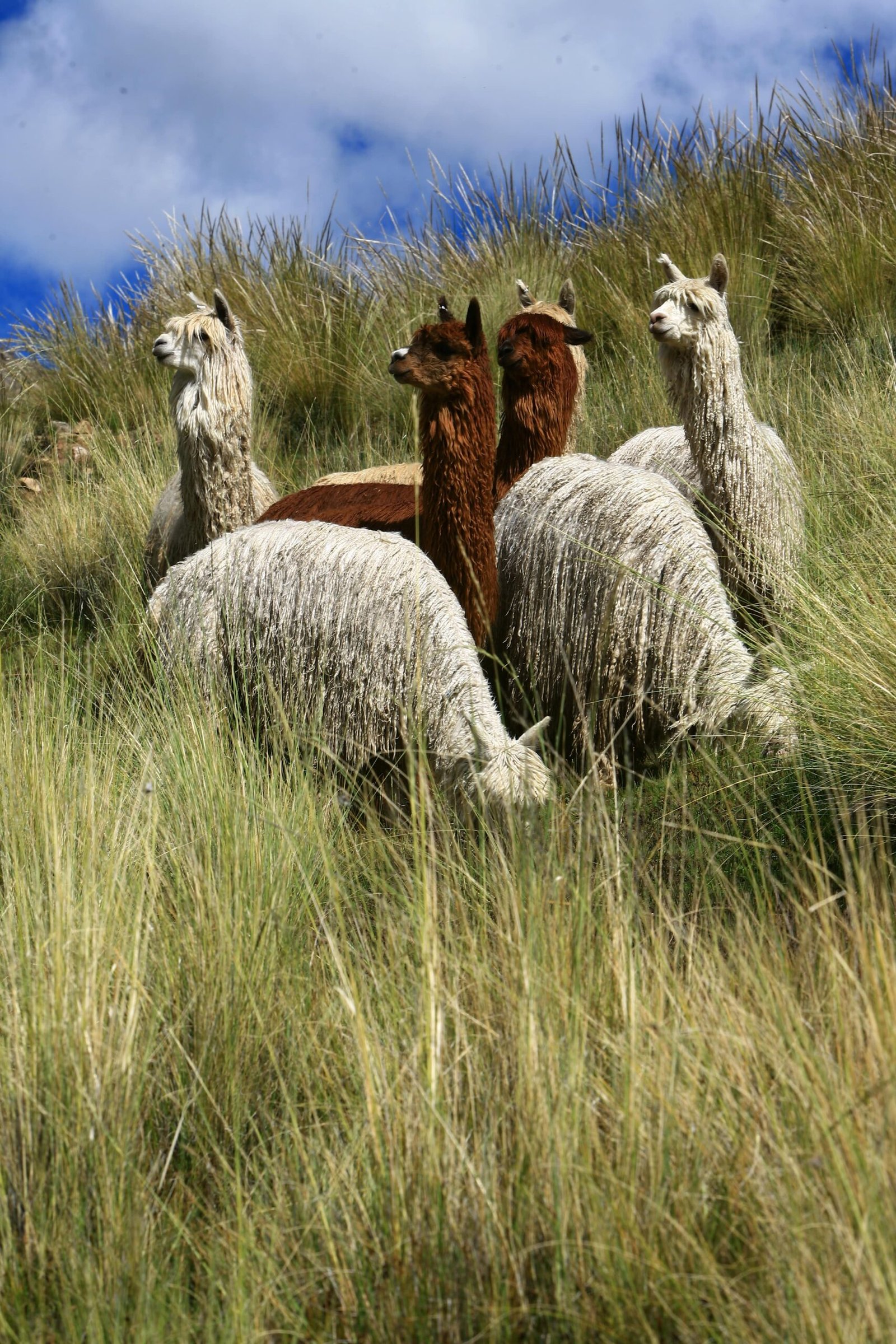
- Suri alpacas have long, silky fibre that hangs in locks. This fibre grows parallel to the body, forming long, shiny locks that can reach the ground if not sheared.
- Their appearance is more sleek and elegant compared to Huacayas, and the fibre has a natural sheen that sets it apart.
Fibre
- The fibre of Suri alpacas is remarkably soft, shiny, and silky to the touch. This characteristic is due to the structure of the fibres, which are smoother and less crimped than those of Huacaya alpacas.
- It is highly valued for its luxurious feel and shiny appearance, similar to silk.
- Like Huacaya fibre, Suri fibre also comes in a variety of natural colours.
Use
- Suri fibre is used to create luxury items such as shawls, scarves, and other fine garments that require an elegant drape and natural sheen.
- Due to its softness and sheen, it is especially prized in haute couture and the production of high-quality textiles.
- The fibre of Suri alpacas is remarkably soft, shiny, and silky to the touch. This characteristic is due to the structure of the fibres, which are smoother and less crimped than those of Huacaya alpacas.
- It is highly valued for its luxurious feel and shiny appearance, similar to silk.
- Like Huacaya fibre, Suri fibre also comes in a variety of natural colours.