Origin and Evolution of the Alpaca
Alpacas have an evolutionary history that dates back millions of years, with a family tree that includes various species of camelids in both the Old and New Worlds. Here, the family tree of the alpaca is explored in detail, from its earliest ancestors to its domestication in the Andes.
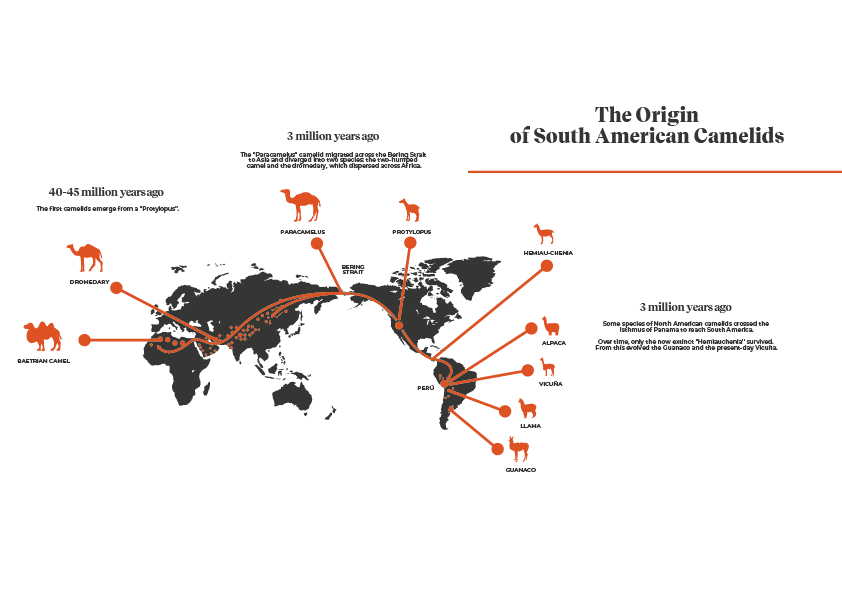
The origin of camelids dates back approximately 45 million years in North America, where the earliest ancestors of camels and alpacas appeared. Over time, these animals evolved and diversified into several species.
About 3 million years ago, some camelids migrated to South America via the Isthmus of Panama. This event led to the evolution of South American camelids, differentiating them from their relatives in North America and Asia. In South America, these camelids diversified into four species: the Llama, the Alpaca, the Vicuña, and the Guanaco.
Around 6,000 to 7,000 years ago, Andean cultures began domesticating Vicuñas and Guanacos. Through selective breeding, the ancient inhabitants of the Andes created two domesticated species: the Llama, derived from the Guanaco, and the Alpaca, derived from the Vicuña. The Alpaca was specifically selected for its fine and soft fibre.
South American Camelids
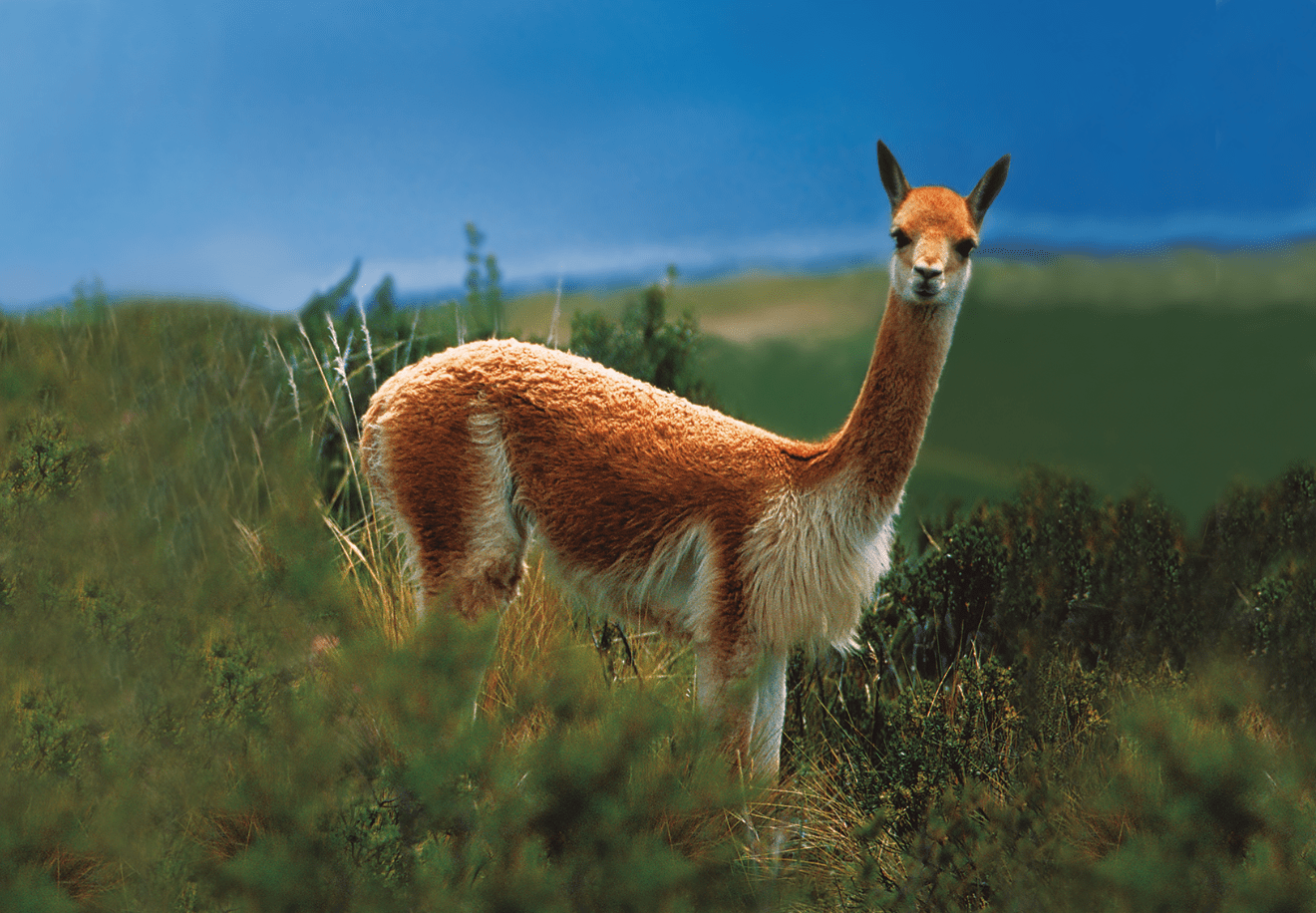
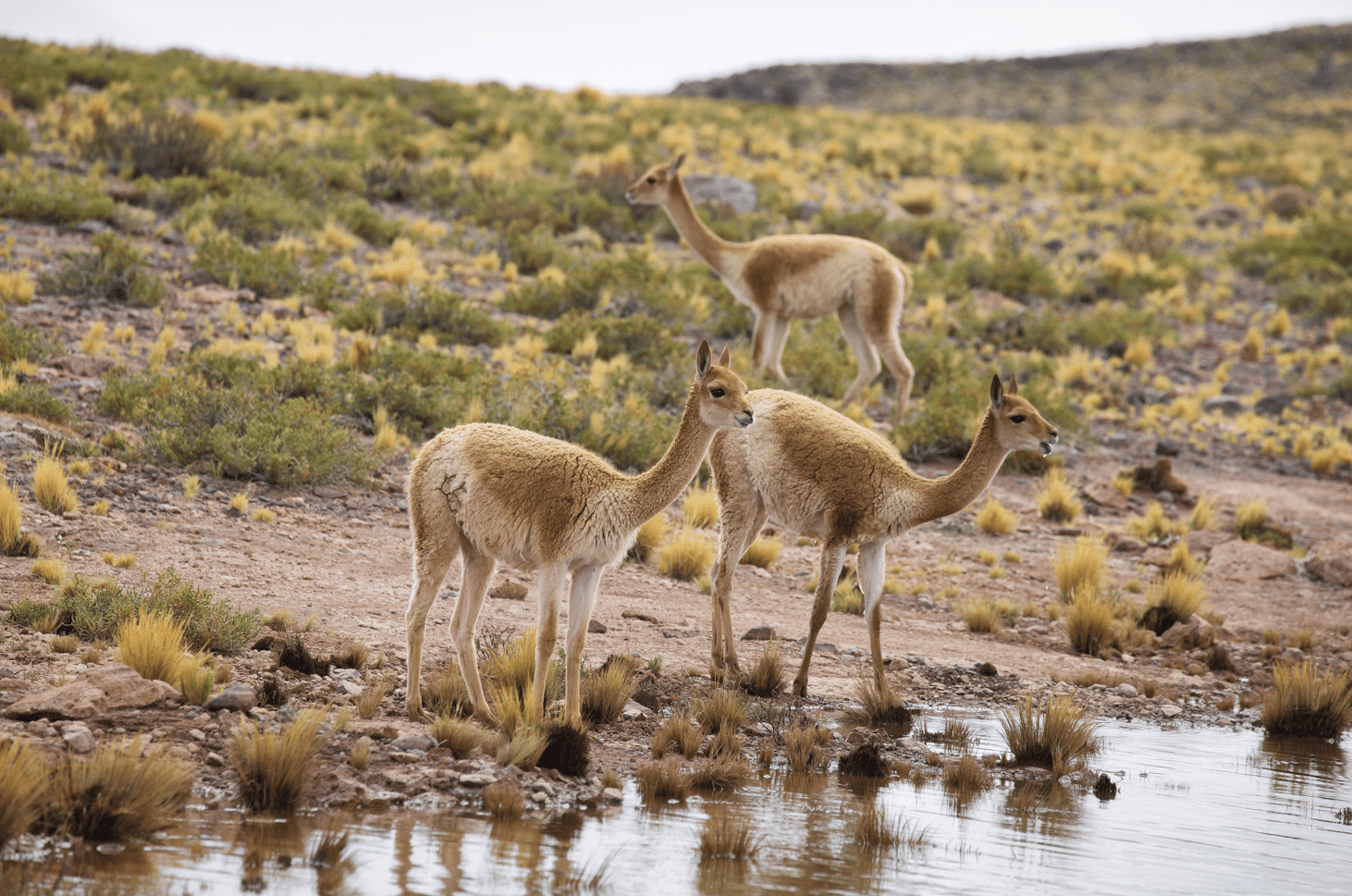
Vicuña
It is the smallest camelid in South America and is notable for being a wild animal with a coat of unparalleled quality and softness.
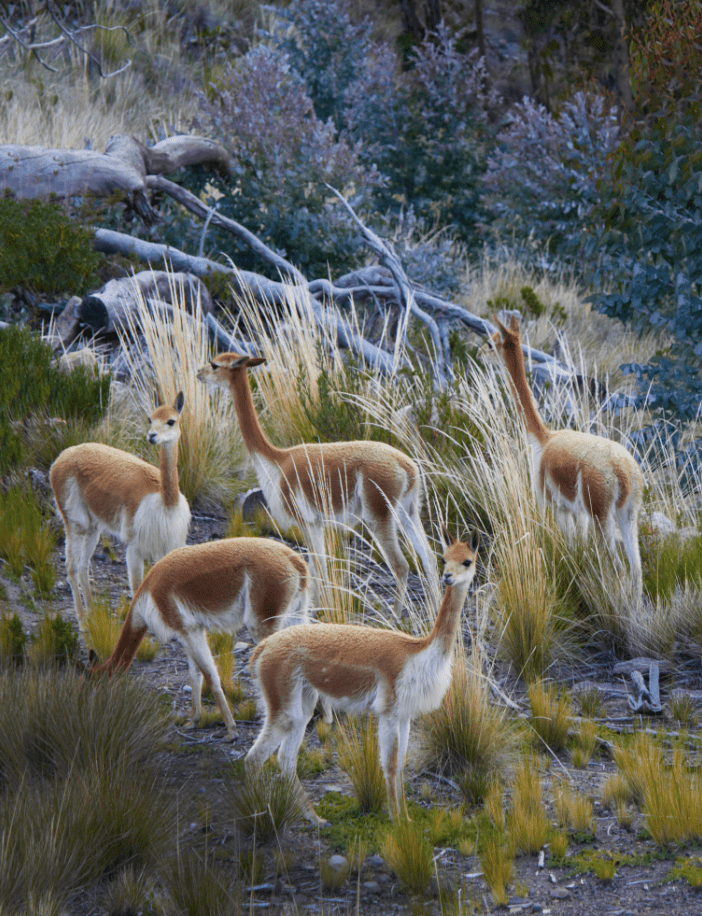
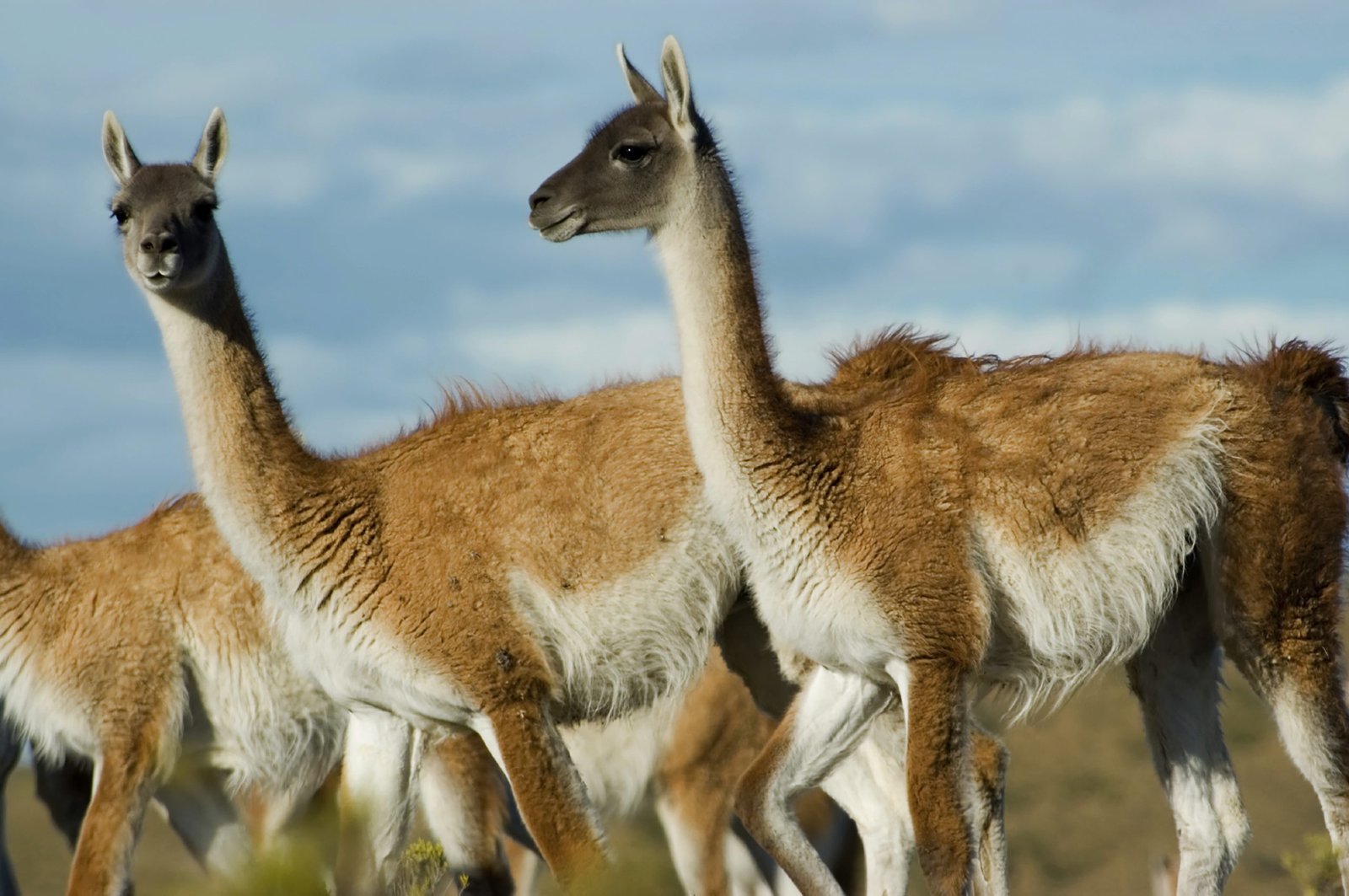
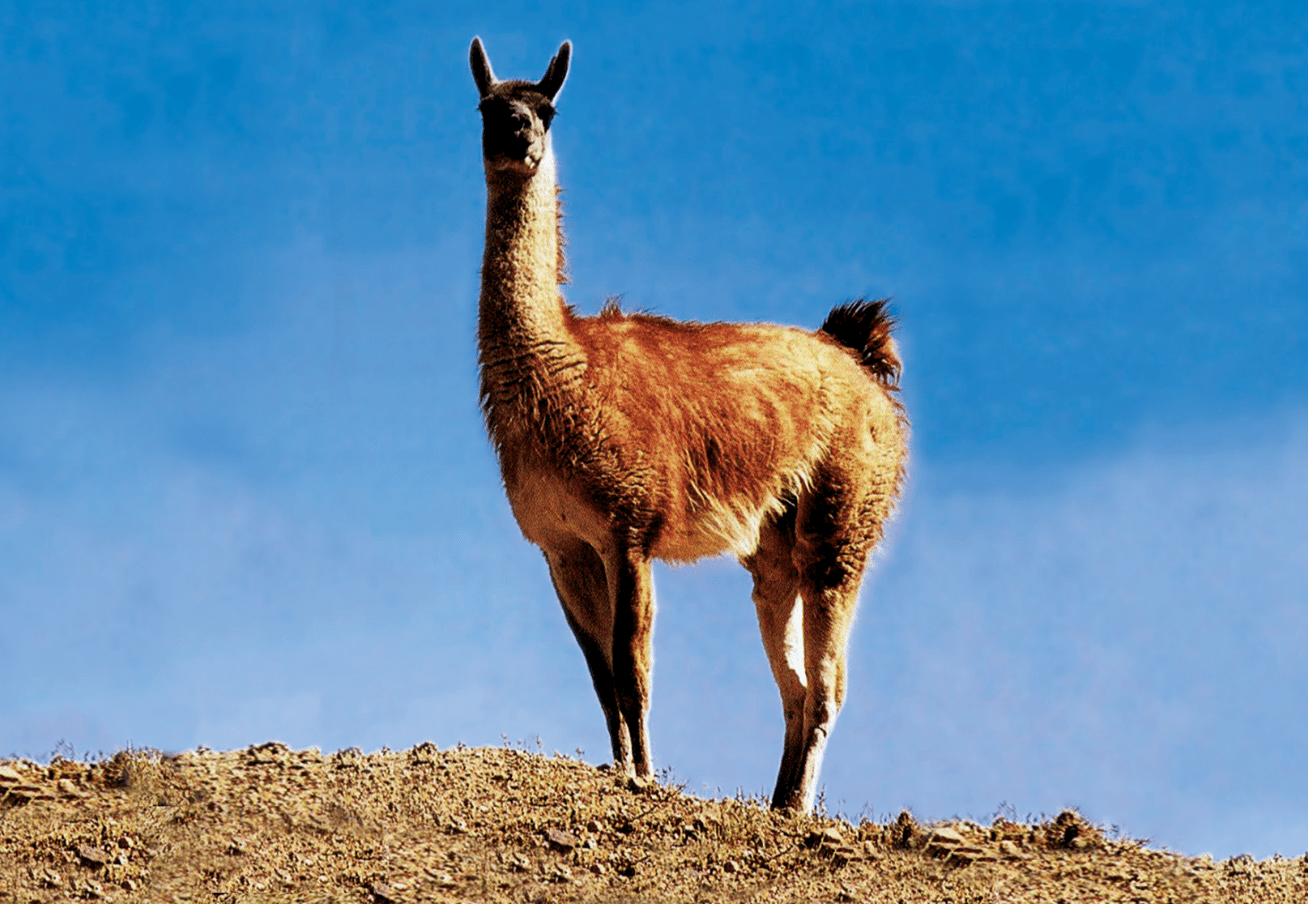
Guanaco
It is the only South American camelid that can live both at sea level and at altitudes exceeding 4,600 metres above sea level, and it is a wild animal with a coat of unparalleled quality and softness.
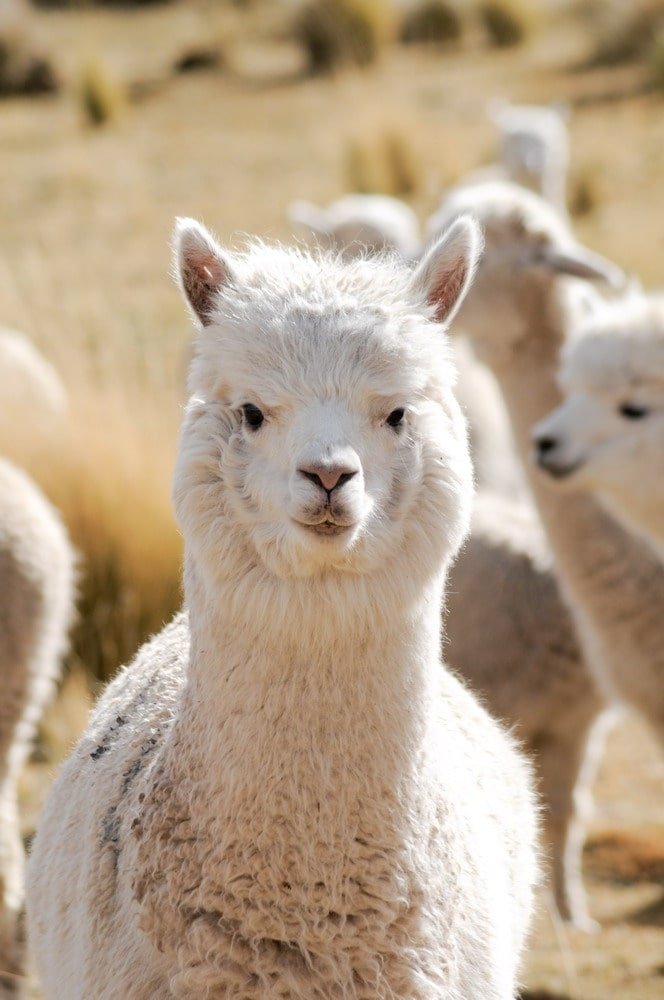
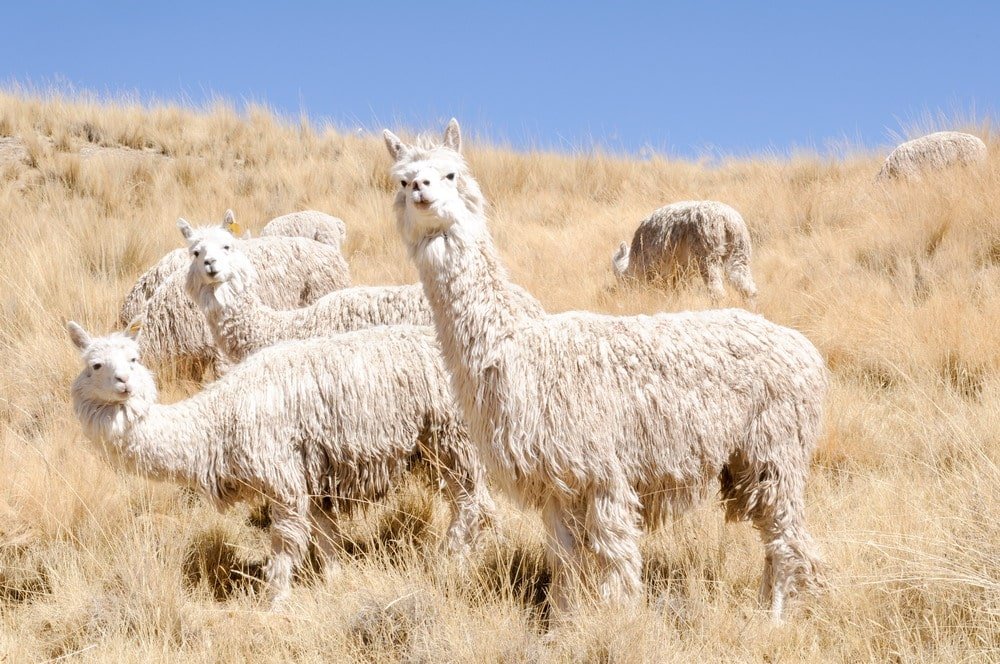
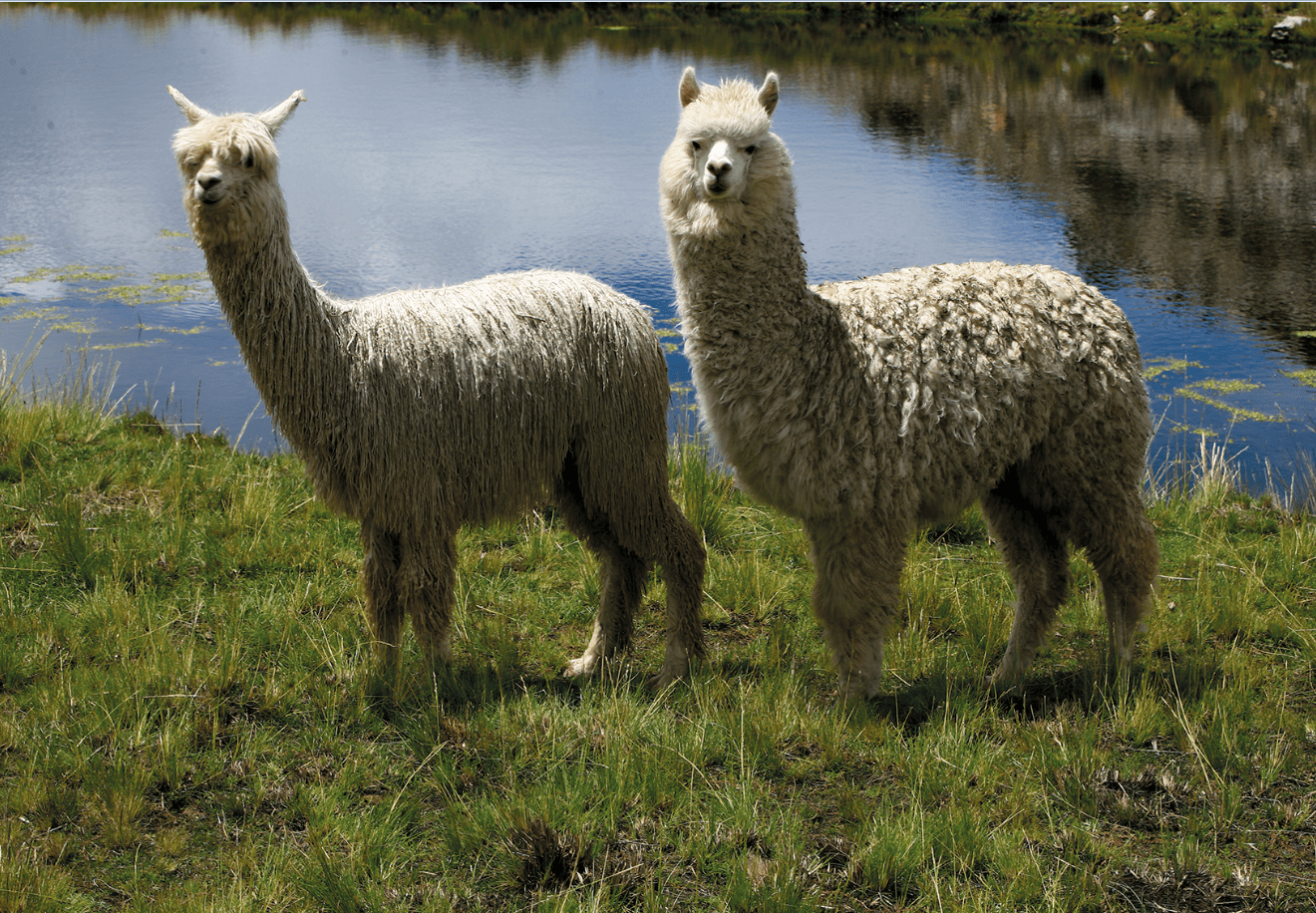
Alpaca
It is the only South American camelid that can live both at sea level and at altitudes exceeding 4,600 metres above sea level, and it is a wild animal with a coat of unparalleled quality and softness.
Llama
It is the only South American camelid that can live both at sea level and at altitudes exceeding 4,600 metres above sea level, and it is a wild animal with a coat of unparalleled quality and softness.
Discover Our Gallery
© 2026 All Rights Reserved.